
Myths
Bullfighting Myths
Short explainers addressing common claims and misconceptions about bullfighting.
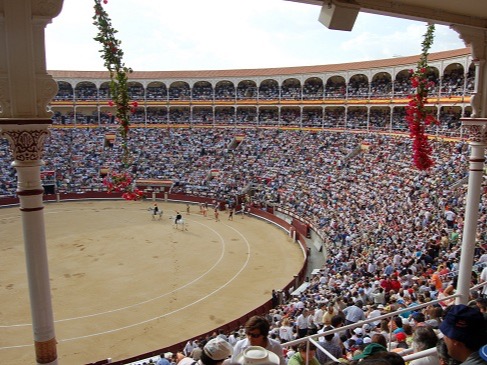
A majority wants bullfighting banned
This is a popular myth corroborated by PETA and other animal rights organizations. They base their claim on various GALLUP polls over the years which in return have then been repeatedly quoted by various media outlets such as The Guardian, CNN, Time Magazine and others.
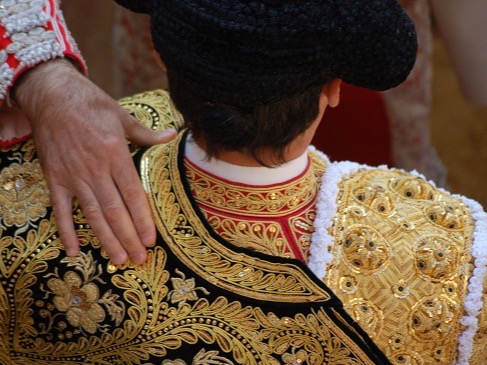
Bullfighting is a sport
Bullfighting is seen as a fine performance art rather than a competitive sport by its followers and performers. A Matador/a sees himself / herself as a performance artist rather than as an athlete.
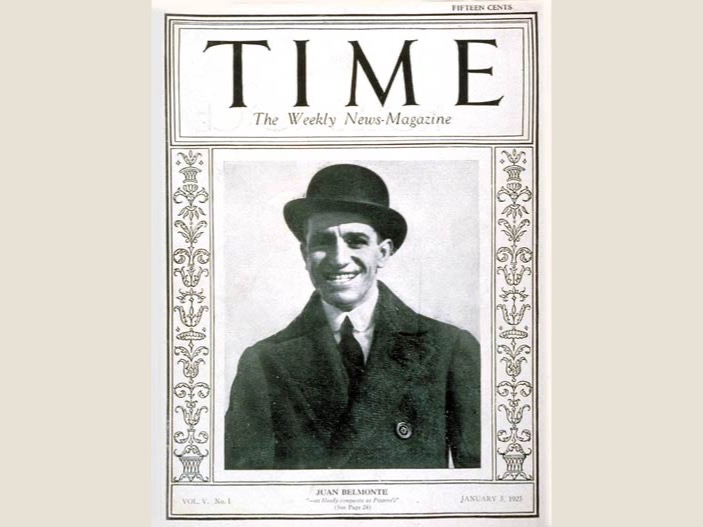
Bullfighting is an ancient tradition
While it is true that taurine culture has been around for thousands of years, and that other bull-events such as the running of bulls have been recorded for hundreds of years, the modern corrida de toros as you would see it in Spain, Mexico, France and other countries today is a relatively young spectacle.
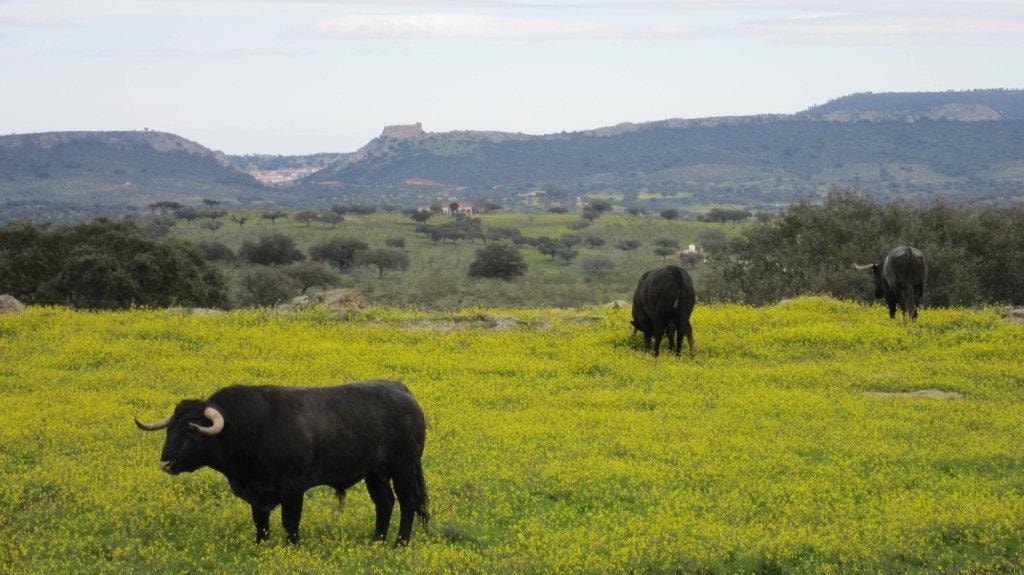
Bulls are trained before the fight
Bulls enter the ring completely untested. Indeed, to train them or acquaint them with the movements of the matador would be counterproductive and very dangerous to the bullfighters as bulls do pick up on the visual ruse played on them after a while.
Bulls are weakened before they enter the ring
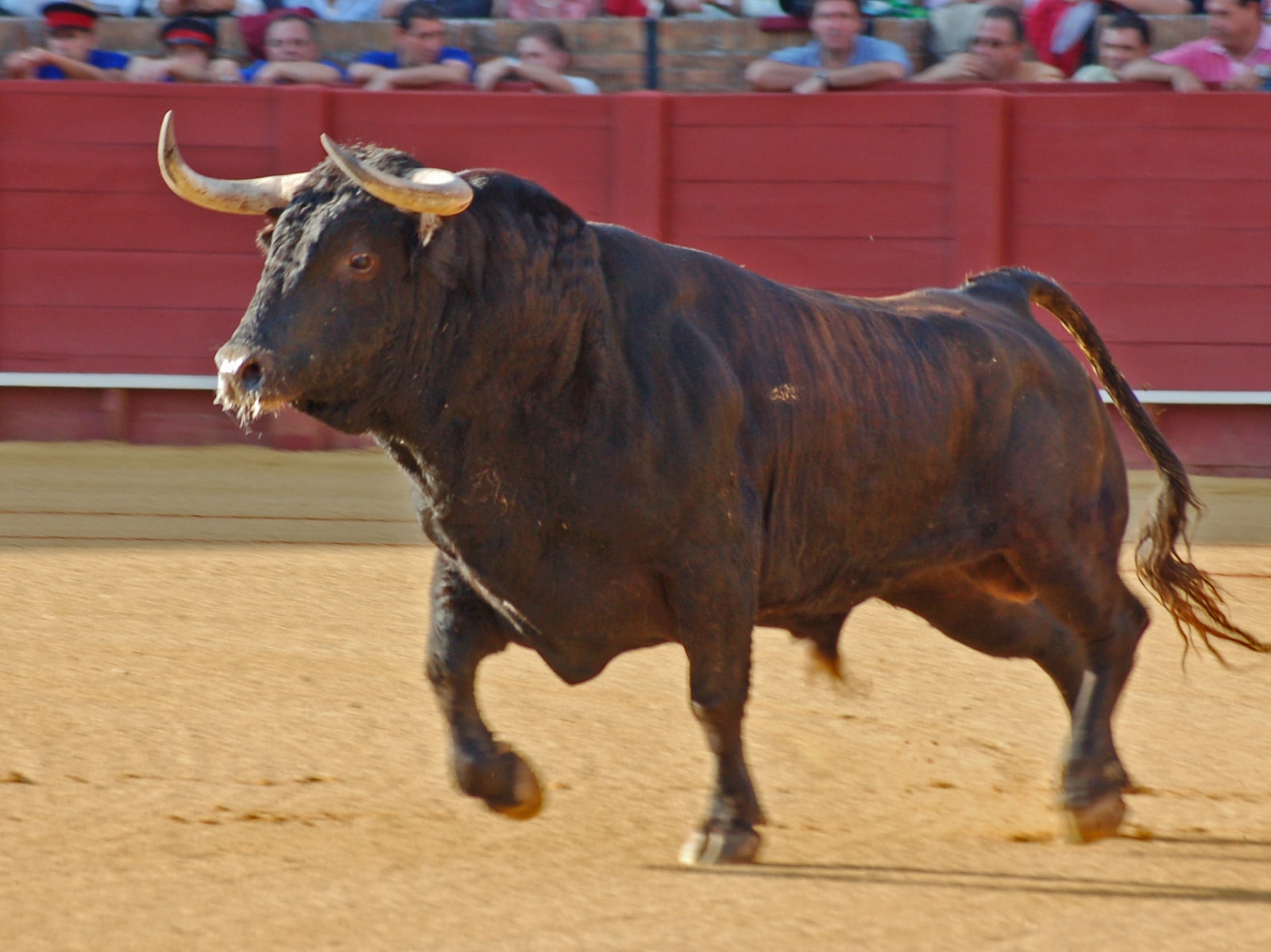
This is one of the common allegations that radical animal right groups often make against bullfighting and its promoters. The idea is of course to play into the common misconeption of the corrida being a fight between man and beast and an unfair one at that.
Bulls charge at the color red
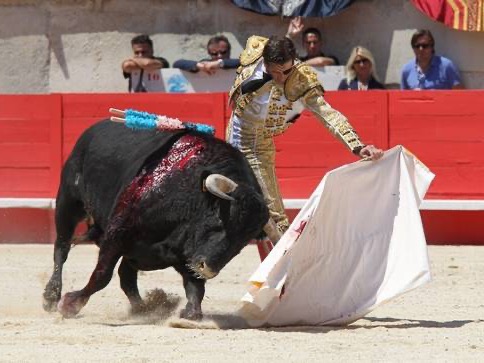
Bulls are colour-blind. They react to movement. They react to movement. A fighting bull instinctively recognizes a jurisdiction within which it will attack everything that moves. This jurisdiction will contract and expand during the bull's performance in the ring; at times it can reach right across the width of the bullring, or be as close as a few centimetres away from his horns. A bullfighter or torero will have to learn to judge the distance from which the bull will attack at any given moment during his performance.
Is bullfighting in decline?
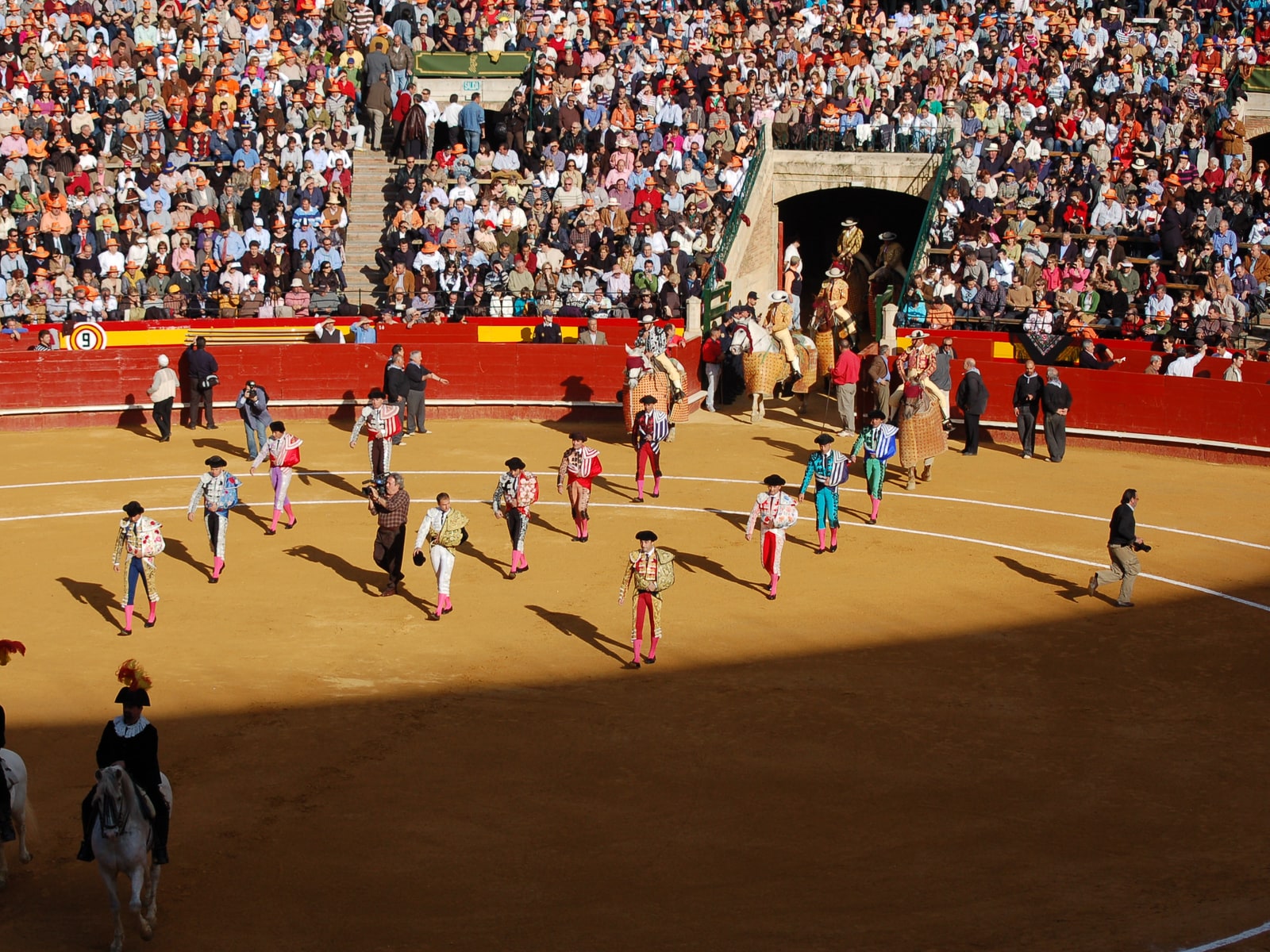
In fact, up until the recent economic crisis, bullfighting had been on a growth path. In Spain alone the numbers grew from 145 in 1950 to 962 in 2007.
The Bull is still alive when it is dragged out
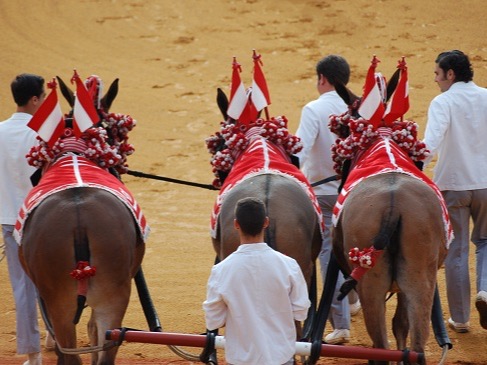
Every Matador’s third Banderillero (one of the members of a bullfighter’s "supporting band"in the ring) also functions as the puntillero.
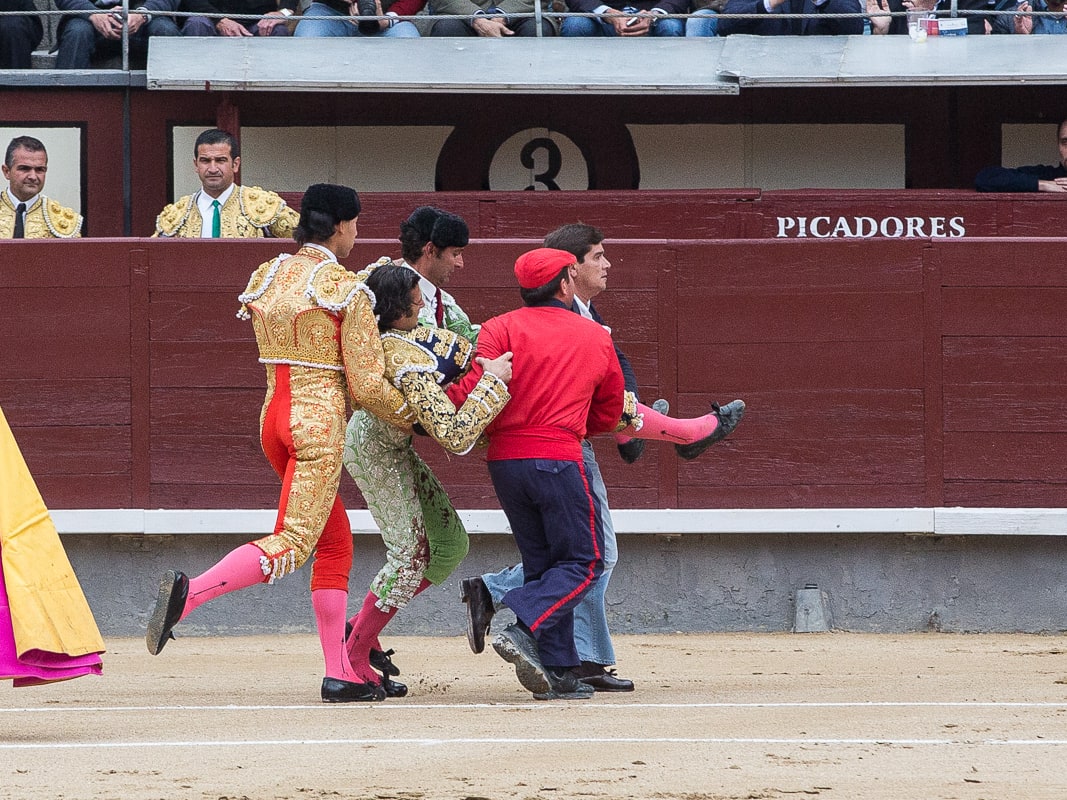
What happens when a matador gets injured?
Contrary to popular belief a matador cannot really lose a bullfight as it is not a sport in the first place. Here is what happens when a Matador gets injured.