
myths
Is bullfighting in decline?
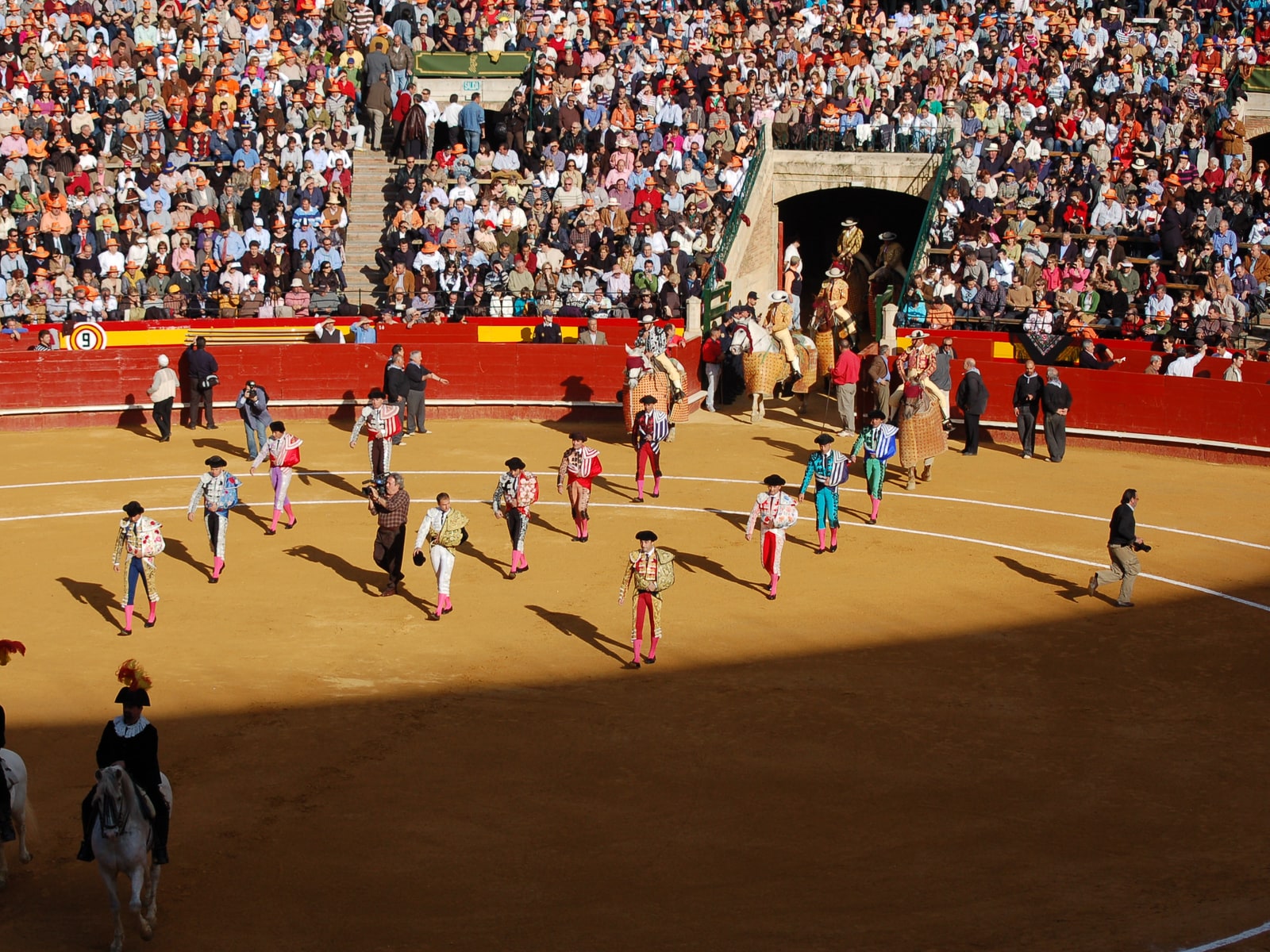
Excerpt from “How To Watch a Bullfight” by Tristan Wood: “Animal rights organizations have far more developed links with the media than does the bullfighting world and it is consequently easy to get the impression that the bullfight is an outdated and cruel spectacle, receiving less and less support in its birthplace Spain. Some lobbyists even claim that it is only spectating tourists who keep the event alive. Recent moves to ban the bullfighting in Spain’s Catalan region have received worldwide publicity and have been regarded by some commentators as the first step towards banning bullfighting everywhere
In fact, up until the recent economic crisis, bullfighting had been on a steady growth path in Spain and France. In Spain alone, the numbers grew from 145 corridas (events featuring professional matadors) in 1950 to 962 in 2007. Even the number of lower category novilladas con picadors (featuring aspiring Matadors known as novilleros and younger bulls ) amounted to 570 in 2007, compared to the 204 in 1947 when novillada events were first recorded. “
Bullfighting is the second most popular spectator pastime in Spain with some 40 million seats sold over the course of a year (2007).
While the industry faced unprecedented closures during the COVID( Coronavirus Disease) pandemic, bullfighting has since experienced a notable recovery driven largely by a new generation of fans. The number of events has rebounded significantly in recent years. This post-pandemic resurgence is increasingly fueled by teenagers and young adults, who have emerged as the fastest-growing demographic in the bullring. For many of these younger Spaniards, attending a corrida has become a fashionable way to proudly reconnect with traditional Spanish cultural identity, a newfound enthusiasm that has been further bolstered by the government’s inclusion of bullfighting in its Youth Cultural Voucher program.